
Explain who the person is
Use approved biography and event context to help audiences understand why this person matters.
Performer and speaker pages are page-family proof routes inside Event Growth Studio. They show how the guide can publish governed people pages that connect approved biographies, appearances and programme context so visitors understand who is involved and where to find them.
Structured for discovery. Assisted by AI. Approved by your team.
Conceptual workflow
People pages connect approved profiles to the wider event guide.
Conceptual workflow
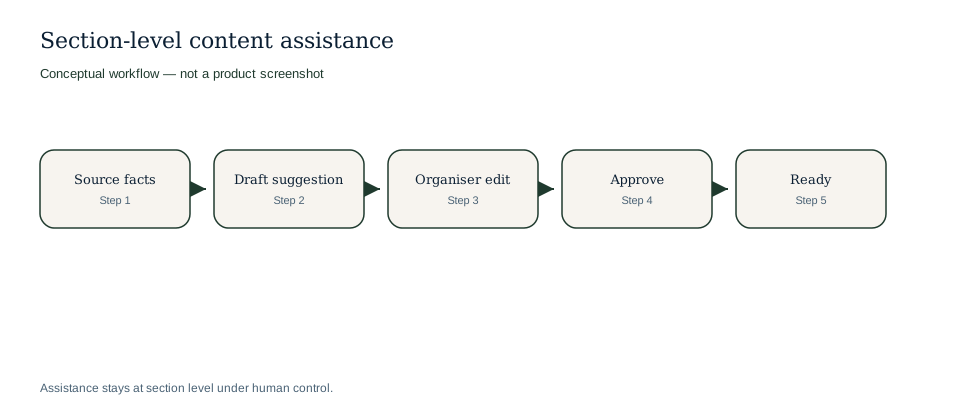
Conceptual workflow for performer and speaker page proof.
A people page should support planning, context and discovery instead of acting like a one-line roster entry.
Use approved biography and event context to help audiences understand why this person matters.
Connect the person to sessions, acts, stages or programme moments visitors can attend.
Link visitors back to programme, venue and ticket pages without repeating the whole guide.
Keep roles, appearance details and publication rights under human review before pages go live.
Example only: these are typical profile inputs, not a claim that every event needs identical fields.
| Approved source | Public page can clarify | Review still owns |
|---|---|---|
| Speaker biography with role and session reference. | Who the speaker is, what they cover and where to see them. | Role title, credentials and appearance timing. |
| Artist line-up note with stage and day context. | How the artist fits into the event programme. | Billing order, schedule changes and rights-sensitive wording. |
| Approved image and short profile note. | Profile summary and links back to the relevant programme page. | Image rights, credits and final public copy. |
Approved source
Speaker biography with role and session reference.
Public page can clarify
Who the speaker is, what they cover and where to see them.
Review still owns
Role title, credentials and appearance timing.
Approved source
Artist line-up note with stage and day context.
Public page can clarify
How the artist fits into the event programme.
Review still owns
Billing order, schedule changes and rights-sensitive wording.
Approved source
Approved image and short profile note.
Public page can clarify
Profile summary and links back to the relevant programme page.
Review still owns
Image rights, credits and final public copy.
Explore connected Event Growth Studio workflows without leaving the creation and CMS cluster.
No. The same page family can support speakers, performers, artists, hosts or other named participants depending on the event.
Yes. That connection is part of the value: visitors can move between who is involved and where they appear.
Yes. Roles, appearance details, rights-sensitive content and related links should still move through human approval.
No. It provides a clearer, governed foundation for discovery, but it does not guarantee rankings, rich results or AI citations.
Start from approved biographies, role details and appearance references rather than ad hoc profile copy.
Connect performer and speaker pages back into programme, media and discoverability workflows from the same approved guide.
Keep changed titles, billing or appearance details under human review before publication.
People pages answer who is involved.
They also strengthen the wider guide.